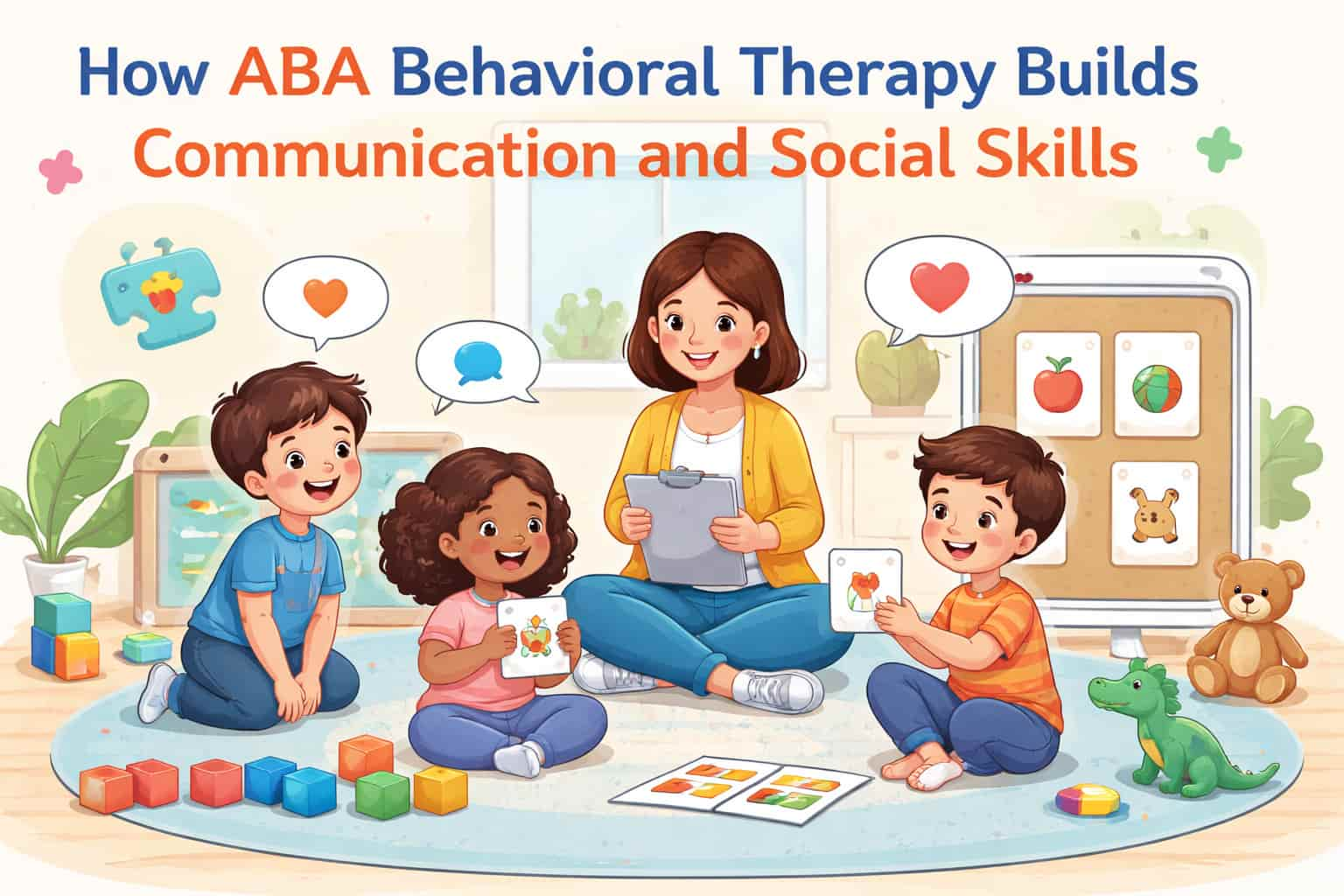
ABA Behavioral Therapy is a methodology that helps individuals improve their day-to-day behavior. The best achievement of ABA Behavioral Therapy is that it enables individuals to acquire proper communication and social skills. This is one of the greatest skills that an individual should acquire because it enables him or her to express himself or herself in the best possible way.
Unlike other methods, ABA Behavioral Therapy does not try to achieve all this at once.
A Skill-Focused Approach to Everyday Interaction
The key emphasis of ABA Behavioral Therapy is the development of skills that can be used in everyday life. Communication skills and interaction skills are treated as skills to be learned.
This includes helping the individual learn to:
- Ask for help
- Respond to other people when they talk to them
- Interact in group settings
In this way, skills are not only learned but used as well.
Communication as a Step-by-Step Process
One of the main advantages of ABA Behavioral Therapy is that it can facilitate communication as a step-by-step process.
Early Communication Building Blocks
The communication as a step-by-step process can start with the following basic steps that can facilitate communication:
- Turning towards the speaker
- Making eye contact
- Using gestures or sounds
These steps are very significant in the context of communication as they lay the foundation for the same.
Expanding Ways to Communicate
ABA Behavioral Therapy also understands that the way to communicate does not always have to be by speaking. It can also be done in other ways such as:
- Using verbal communication
- Using visual support such as picture communication cards
- Using communication devices
Reinforcement Drives Progress
The development in ABA Behavioral Therapy is mostly influenced by the use of reinforcement. An attempt to communicate that is successful is always rewarded.
The common ways in which this is done include:
- Encouraging words
- Access to preferred activities
- Small rewards
This drives one’s motivation and makes it a habit.
Learning to Understand Others
Communication is not just about expressing oneself but also understanding the thoughts of the person in front of you. ABA Behavioral Therapy helps in improving one’s ability to:
- Listen
- Obey
- Respond
This is important in ensuring that communication is balanced.
Social Skills Developed through Practice
Social interactions are difficult because many social skills must be mastered simultaneously. However, ABA Behavioral Therapy has made social interactions easier by simplifying these interactions and focusing on one skill at a time.
Breaking Down Social Skills
Social skills are further broken down into smaller skills that must be mastered. This includes:
- Greeting someone
- Waiting one’s turn
- Sharing
- Wrapping up a conversation
These skills must be mastered again and again.
Learning through Practice
Practice is an essential part of ABA Behavioral Therapy, especially when preparing individuals for real-life situations.
These may include:
- Practicing conversations
- Role playing different situations
- Practicing conversations with many people
These activities must be done before individuals face real-life situations.
Understanding Emotions in Social Settings
In order to be socially successful, it is essential that one understands emotions, and this is achievable through ABA Behavioral Therapy, which allows an individual to:
- Understand his/her emotions
- Understand other people’s emotions
- Respond appropriately in social situations
This makes an individual socially successful in a positive way.
Encouraging Interaction with Others
It is essential that an individual is encouraged to take part in interactions with other people, and this is achievable in the following ways:
- Group activities
- Cooperative activities
- Play activities
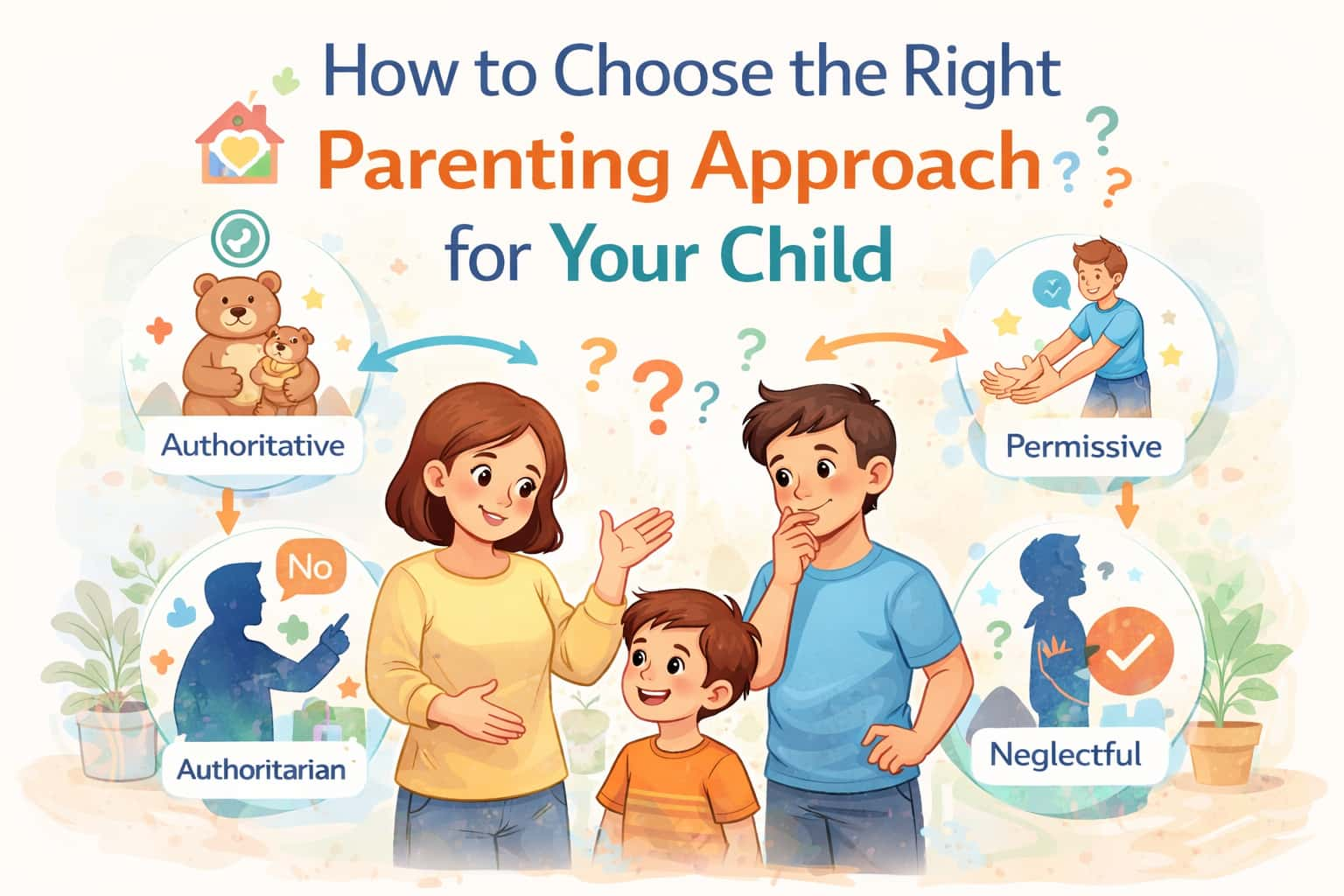
While encouraging interaction, many parents prefer a calm and respectful approach that focuses on understanding the child’s emotions. If this resonates with you, you can learn more about what is gentle parenting here: What is Gentle Parenting
Learning Beyond the Therapy Setting
The second feature of ABA Behavioral Therapy is that the learning does not take place in a particular setting. This includes:
- Home work
- School work
- Environmental work
This is done because the individual who receives the therapy will be able to learn naturally.
The Significance of Personalized Learning
The importance of personalized learning is that every individual learns in his/her own unique way. This is achieved in ABA Behavioral Therapy. This is achieved in such a way that the individual who receives the therapy will learn in an effective way by considering the following:
- Skill level
- The rate at which the individual learns
- The goals of the individual who receives the therapy
The Role of Repetition and Routine
The importance of repetition cannot be overstated when it comes to building long-lasting skills. ABA Behavioral Therapy utilizes a routine-based system to ensure this.
The advantages of this type of therapy include:
- Clearer understanding of expectations
- More confidence
- More effective memory retention of learned skills
The more this is repeated, the more new skills become second nature to individuals.
Support from Family and Caregivers
The contribution of family members and caregivers is a significant contributor to the success of ABA Behavioral Therapy.
The ways in which they contribute include:
- Reinforcing skills learned at home
- Encouraging communication through day-to-day activities
- Consistency in their responses
In many cases, this kind of consistent and supportive environment reflects a balanced parenting style that combines warmth and structure. If you want to understand this approach better, you can explore what is authoritative parenting here: What is Authoritative Parenting.
Practical Techniques That Support Growth
ABA Behavioral Therapy has come up with various techniques that are helpful in supporting growth:
- Task Analysis: Breaking down skills into steps
- Modeling: Modeling the behavior or skill
- Prompting: Assisting the individual as they learn
- Fading: Removing assistance as the individual learns
These techniques make it easy for individuals to learn as it is organized, simple, and achievable.
Handling Challenges Along the Way
Learning skills takes time, and as one learns, one is guaranteed to encounter various challenges along the way.
Some of the challenges one may encounter include:
- Difficulty in applying skills in new contexts
- Lack of motivation
- Slow rate of progress in some skills
ABA Behavioral Therapy has various techniques that help one handle the challenges one may encounter.
Long Term Impact on Daily Life
The communication skills and social skills that the individual learns through the ABA Behavioral Therapy will benefit the individual in the long run.
The ways in which the communication skills and social skills that the individual learns through the ABA Behavioral Therapy will benefit the individual are as follows:
- Independence
- Better relationships
- Increased participation in activities
- Increased confidence when in a social setting
As the individual becomes comfortable with being around people, the communication skills and social skills that the individual learns through the ABA Behavioral Therapy will benefit the individual in the long run.
Strong early bonding also plays a big role in building confidence and communication. If you’re a new parent, you can explore ways to build a strong bond with your newborn.
A Structured Path to Meaningful Skills
The ABA Behavioral Therapy offers the individual an effective way of learning the necessary communication skills and social skills.
The way the individual learns the necessary skills through the ABA Behavioral Therapy is very effective as the individual learns the necessary skills step by step.
The ways in which the individual learns the necessary skills through the ABA Behavioral Therapy are as follows:
The individual learns the necessary communication skills that the individual needs when the individual is around people.