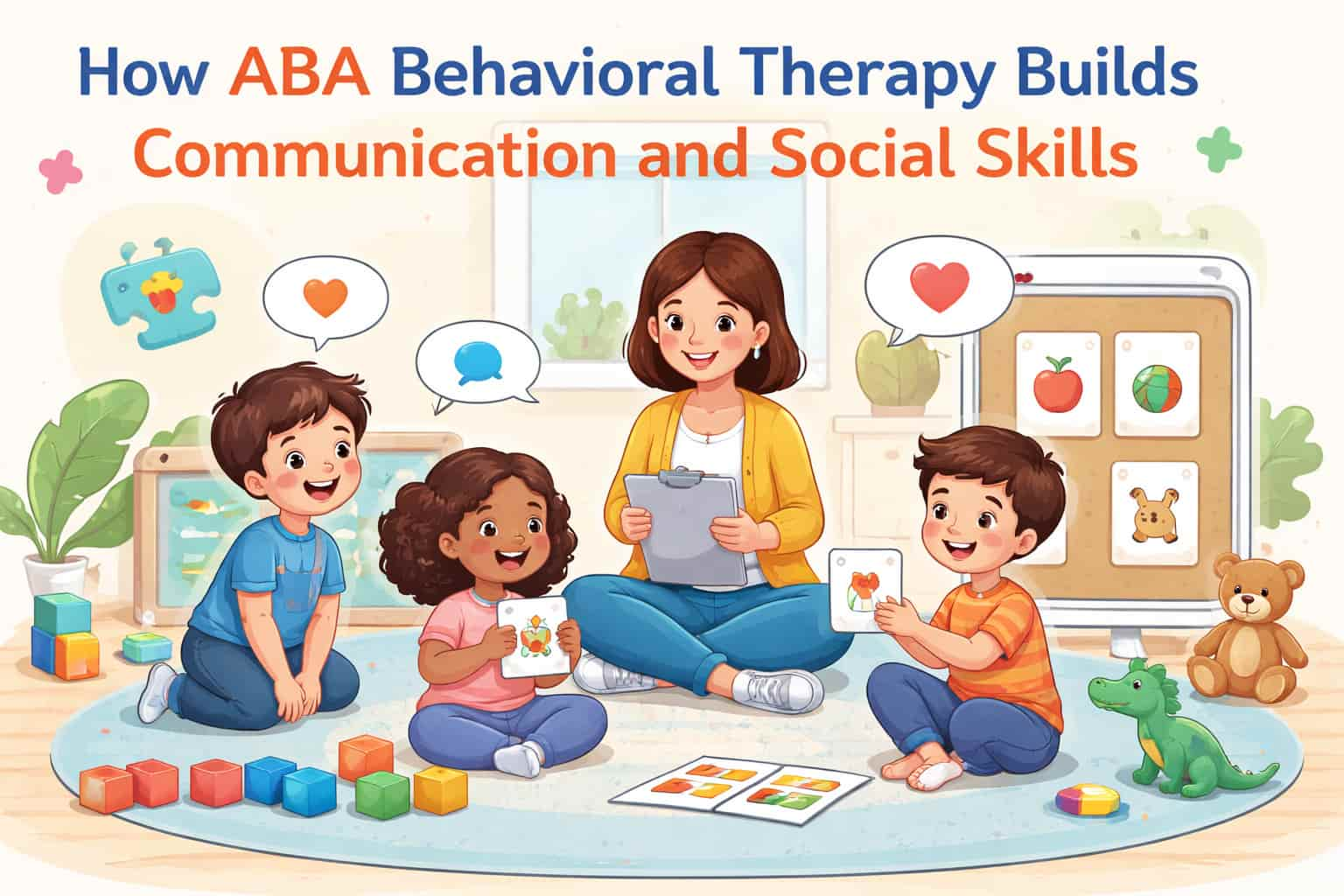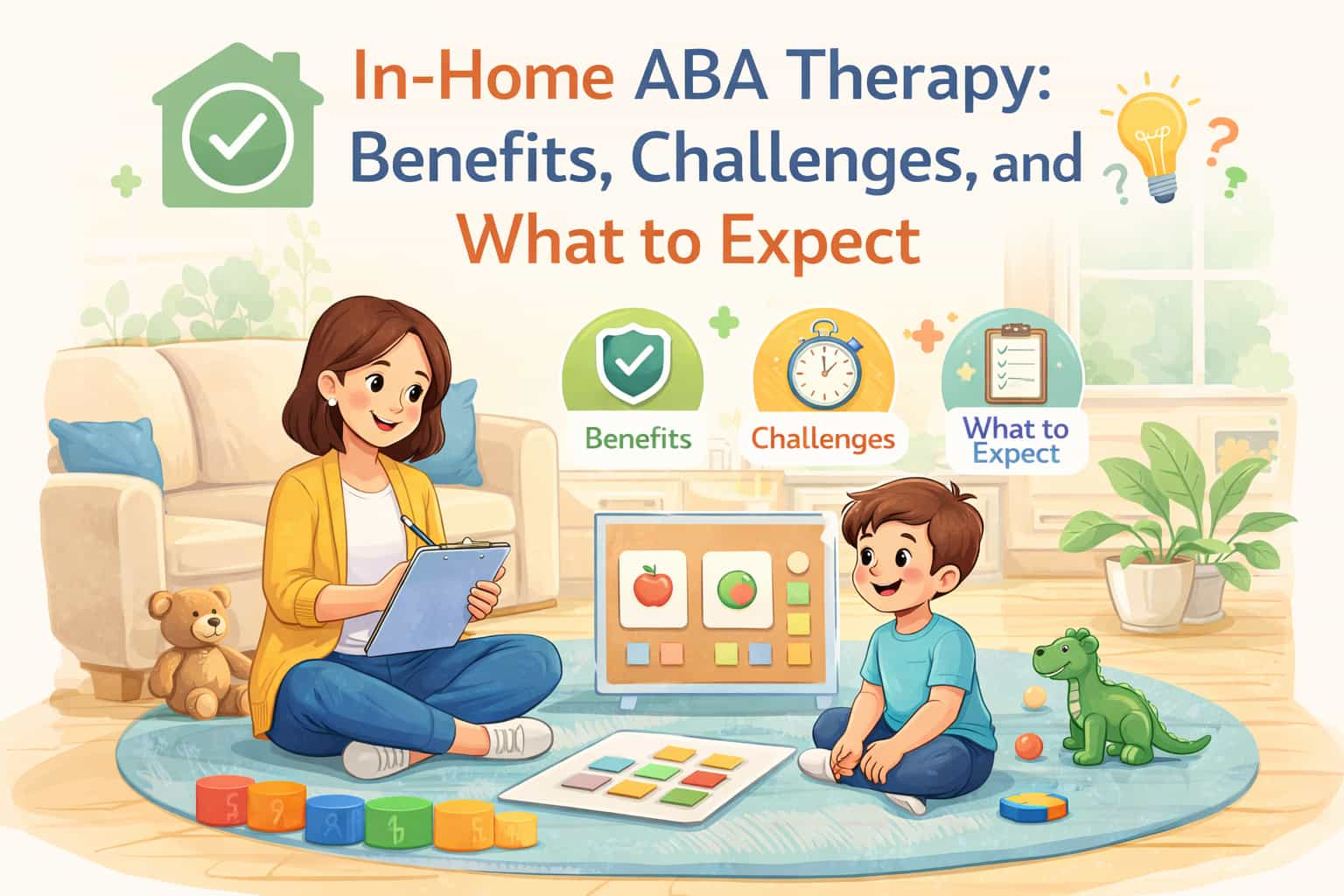
In-Home ABA Therapy is a type of Applied Behavior Analysis that is tailored for the needs of a child and takes place in the comfort of the child’s own home. It primarily targets the development of communication, daily life, and positive behavior skills.
The tailored nature of In-Home ABA Therapy ensures that it takes place in a familiar environment, which is crucial in ensuring that it is applicable and relevant. The following are a discussion on how it works, the advantages and disadvantages, and what is expected.
What Is In-Home ABA Therapy?
In-Home ABA Therapy is a kind of therapy in which a team of qualified professionals work with the child in the child’s own home. The therapy is specifically designed according to the needs, strengths, and goals of the child.
Unlike any other kind of therapy, in which the child has to practice his or her skills in a clinical environment, In-Home ABA Therapy enables the child to learn in the environment in which the child eats, plays, and spends time with the people around him or her.
The most common domains of In-Home ABA Therapy are as follows:
- Communication and Language Development
- Daily Routines, Dressing, Eating, etc.
- Social Skills
- Problem Behaviors
How In-Home ABA Therapy Works
The first step in in-home ABA therapy is a detailed assessment done by a Board Certified Behavior Analyst (BCBA). This assessment is done in such a manner that it evaluates the strengths and weaknesses.
A specific plan is then drawn up depending on the results obtained in the assessment.
The techniques used by the therapists in ABA therapy are:
- Breaking down skills into steps
- Repetition
- Positive reinforcement
- Modifying techniques according to the response of the individual
Parents and caretakers play a significant role in the therapy. They are taught how to assist their children.
Benefits of In-Home ABA Therapy
Familiar and Comfortable Environment
The first and the most important advantage of In-Home ABA Therapy is that it occurs in a familiar environment. It has been found that the child is always comfortable in his or her home environment.
The skills that the child learns in this environment can be easily transferred to his or her life.
Individualized Attention
In-Home therapy occurs on an individual level. Individual attention is given to the child.
The individual attention given to the child helps us understand what is best for the child.
Strong Family Involvement
In-Home ABA Therapy includes family involvement. In this case, the parents of the child can be involved in the sessions. They can be present during the sessions with their child.
In this way, the parents can:
- Reinforce the child’s learning throughout the day
- Assist in ensuring that there is consistency in the child’s daily routine
- Assist the parents in becoming more confident in dealing with different situations
In fact, many of these strategies align with balanced parenting approaches where warmth and structure go hand in hand. If you want to understand this better, explore some authoritative parenting examples here: Authoritative Parenting Examples
Real-Life Skill Development
In-Home ABA Therapy is done at the child’s home. In this way, the child can be equipped with skills that can be used in real-life situations. These skills include:
- Following instructions during mealtimes
- Cleaning up after playtime
- Communicating during interactions
Flexible Scheduling
The sessions can be scheduled at times that are consistent with the family’s daily routine.
In this way, there is consistency in the daily routine.
Challenges of In-Home ABA Therapy
In-Home ABA Therapy is beneficial in many ways, but it is not without its challenges.
Home Distractions
The home may have some form of distraction, which may at times interrupt the session.
Setting boundaries during the time of therapy may help minimize the distraction.
Limited Space
The home may not have space allocated for the therapy session, which may at times prove a challenge in the provision of structured activities.
It may also be helpful in improving the ability to concentrate and be organized.
Time Commitment for Families
In-Home ABA Therapy may also involve the family, and this would require time and effort from the family members. These may include:
- Attending the sessions
- Practicing the methods
- Managing the schedules
It is advantageous, but it may also be overwhelming at times.
Privacy Issues
The therapist visiting their homes may not be comfortable at first.They may need time to get used to the situation.
Having trust in the therapist may be able to solve this problem.
Gradual Progress
It may take time before the skills are acquired, especially if they are complex.
What to Expect During Sessions
Understanding what is involved in In-Home ABA Therapy is essential in ensuring that the families feel comfortable with the services offered by your organization.
Session Structure
The structure of the In-Home ABA Therapy session is structured with the following aspects:
- Warm-up activities to build engagement
- Skill-focused exercises
- Short breaks or playtime
- Review and feedback at the end
The structure is essential in ensuring that not only is the session effective but also makes it interesting.
Teaching Techniques
The therapists use effective techniques in ensuring that the children are able to learn effectively through the following:
- Positive reinforcement: Rewarding desired behaviors
- Prompting: Offering guidance to complete tasks
- Fading: Gradually reducing support
- Modeling: Demonstrating desired actions
Data Tracking
Data tracking is done by the therapists during the session. The importance of this is that we are able to track our progress.
Data tracking is very important as it helps us:
- Track our progress
- Make necessary adjustments
- Ensure that we are meeting our goals
Data tracking is very crucial in ensuring that the program is effective.
Parent Training and Support
An important aspect of In-Home ABA Therapy is the training of the parents, which enables them to continue with the program outside the session.
Parents are trained on how to:
- Encourage their children
- Handle challenges
- Establish routines
- Encourage communication
This is very important as it maximizes the effectiveness of the therapy.
This approach often reflects a balanced parenting style—not too strict, not too lenient. If you’re confused between different styles, you can understand the difference here: Authoritative vs Authoritarian Parenting Key Differences
Tips for Success with In-Home ABA Therapy
To get the most out of In-Home ABA Therapy, some of the following tips may be followed:
- Set aside a space: Even a small space is helpful in focusing
- Establish a routine: Routine is the key to learning
- Get involved: Practice what is learned every day
- Communicate: Share what is going through your mind with your therapist
- Celebrate your successes: Enjoy your small achievements
While following these tips, many parents wonder whether to be gentle or firm. The truth is, a balanced approach works best. You can explore this comparison in detail here: Authoritative vs Gentle Parenting
Who Can Benefit from In-Home ABA Therapy?
In-Home ABA Therapy is best suited for children who may benefit from individualized attention in the comfort of their own space.
In-Home ABA Therapy is especially beneficial for children who:
- Best learn through structured routines
- Need assistance with learning life skills
- May benefit from practicing what is learned at home
Every child is different, and it is important that the right method is used on your child.
Final Thoughts
In-Home ABA Therapy is an opportunity for individuals to acquire important life skills in an accessible and powerful way. In-Home ABA Therapy is an opportunity for individuals to improve their lives in an accessible and powerful way.
The challenges of time commitment and home distractions are challenges that an individual may face with this approach. However, the challenges may be worked through in an effort to allow individuals to improve their lives with this approach in the future.