Festivals are not just about rituals or celebrations. They are beautiful opportunities for parents to pass values, wisdom, and emotional strength to children.
Mahashivratri is one such spiritually rich occasion. The stories and symbols associated with Lord Shiva carry deep life lessons that help children understand patience, courage, kindness, and self-control.
Children naturally connect with stories. When parents explain spiritual symbolism in simple and relatable language, children begin to understand values in a meaningful and practical way.
Let’s explore powerful parenting lessons hidden in Lord Shiva’s symbolism that you can share with your child this Shivratri.
The Moon on Shiva’s Head: Teaching Children That Time Changes Everything
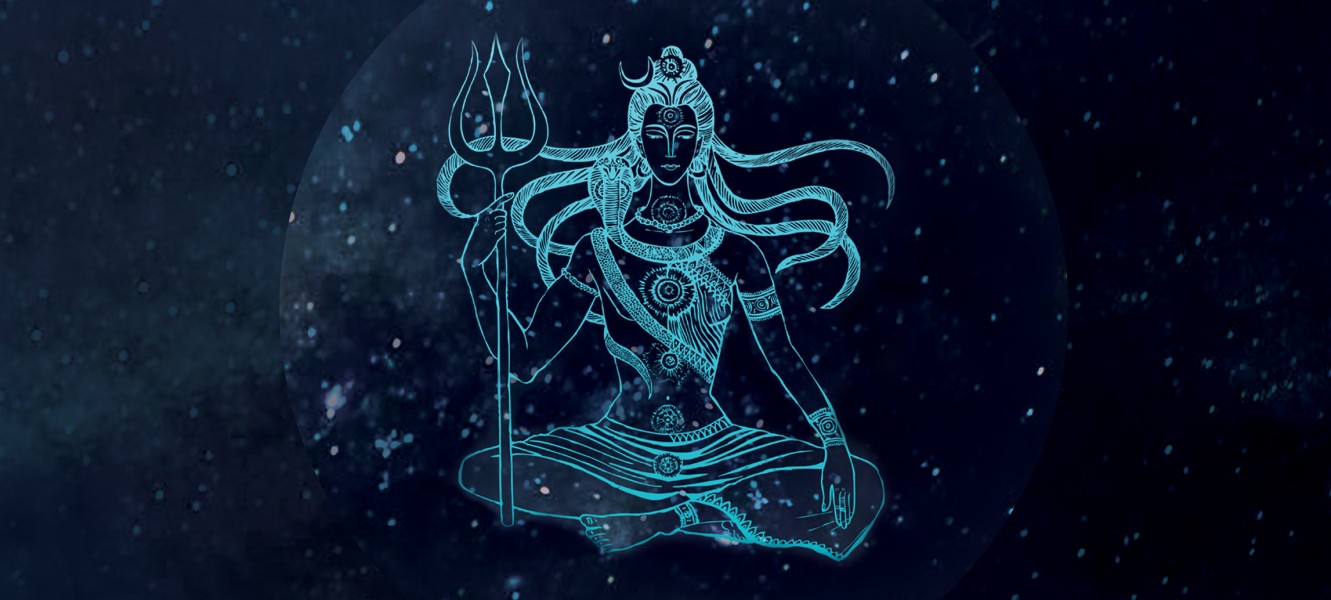
The crescent moon placed on Shiva’s head represents time. Just like the moon changes its shape, life constantly changes.
Parenting Lesson
Children often feel overwhelmed when things do not go their way. Losing a game, facing friendship challenges, or struggling in school can feel permanent to them. Teaching them that emotions and situations change with time helps them build emotional strength.
You can tell your child:
“Bad days don’t last forever. Good days also don’t stay forever. Everything changes.”
What Children Learn
- Emotional resilience
- Patience
- Hope during difficult situations
The Trishul: Teaching Balance in Thoughts and Actions
The trident symbolizes balance between past, present, and future. It teaches children that learning from the past and planning for the future is important, but living in the present matters most.
Parenting Lesson
Children sometimes worry about mistakes or become anxious about results. This symbol helps them understand the importance of staying balanced and focused.
You can explain:
“It’s good to learn from yesterday and plan for tomorrow, but today is where life happens.”
What Children Learn
- Balanced thinking
- Mindfulness
- Better decision-making skills
Why Shiva Lives in the Mountains: Teaching the Value of Peace Over Luxury
Shiva chooses mountains instead of grand palaces. This symbolizes that happiness and strength do not depend on material comforts.
Parenting Lesson
Children grow up in a world filled with comparisons — toys, gadgets, clothes, and lifestyle. This story helps them understand that real happiness comes from inner peace.
You can tell your child:
“You don’t need expensive things to feel strong and happy.”
What Children Learn
- Contentment
- Emotional strength
- Gratitude for simple living
The Bel Leaves Offering: Teaching the Power of Simplicity
Bel leaves are simple but sacred offerings. This teaches children that even small gestures can hold great importance.
Parenting Lesson
Children often think only big achievements matter. But small actions like helping parents, sharing toys, or showing kindness help build strong character.
You can explain:
“Even small good actions can make a big difference.”
What Children Learn
- Kindness
- Appreciation
- Respect for simplicity
Offering Milk to the Shivling: Teaching Gratitude and Respect
Offering milk and water symbolizes devotion and gratitude.
Parenting Lesson
Gratitude helps children develop positivity and emotional maturity. Parents can use this symbolism to encourage children to appreciate what they have.
You can tell your child:
“Showing respect and saying thank you makes your heart stronger.”
What Children Learn
- Gratitude
- Respect for traditions
- Emotional awareness
Shiva’s Blue Throat: Teaching Courage and Responsibility
According to mythology, Shiva drank poison to save the world, which turned his throat blue. This story teaches children that doing the right thing is not always easy.
Parenting Lesson
Children sometimes avoid responsibility when things feel difficult. This symbolism teaches that courage means choosing what is right, even when it is hard.
You can explain:
“Being responsible sometimes requires bravery.”
What Children Learn
- Courage
- Accountability
- Moral strength
Ganga in Shiva’s Hair: Teaching Strength With Kindness
When the powerful river descended to Earth, Shiva gently controlled her flow to protect the planet. This story teaches children that strength should always be used to protect others.
Parenting Lesson
Children may misuse strength or authority over younger siblings or friends. This symbolism teaches leadership with compassion.
You can tell your child:
“If you are strong, your job is to protect, not dominate.”
What Children Learn
- Compassion
- Leadership
- Empathy
The Snake Around Shiva’s Neck: Teaching Children to Handle Fear
The snake represents fear, yet Shiva keeps it calmly around his neck. This teaches children that courage does not mean absence of fear but learning to manage it.Parenting Lesson
Children experience fear in different forms — darkness, exams, or social situations. Teaching them that fear is natural helps them develop emotional balance.
You can explain:
“Brave people also feel scared, but they learn how to handle it.”What Children Learn
- Emotional control
- Confidence
- Inner strength
Shiva and Parvati’s Relationship: Teaching Respect and Equality
Stories about Shiva and Parvati highlight mutual respect and equality. Their relationship teaches children the importance of valuing others.
Parenting Lesson
Children learn relationship values by observing family behaviour. Sharing this story helps them understand that love grows with respect.
You can tell your child:
“Strong relationships are built on respect and kindness.”
What Children Learn
- Respect for others
- Healthy relationship values
- Equality
Shiva’s Tandava Dance: Teaching Children to Accept Change
Shiva’s dance represents creation and destruction, showing that change is necessary for growth.
Parenting Lesson
Children often struggle with change — shifting schools, making new friends, or facing new challenges. This symbolism helps them accept change positively.
You can explain:
“Sometimes things end so new opportunities can begin.”
What Children Learn
- Adaptability
- Emotional resilience
- Growth mindset
Why Do People Stay Awake All Night on Shivratri? Teaching Reflection and Mindfulness
During Shivratri, many devotees stay awake throughout the night praying, singing devotional songs, and reflecting on their thoughts.
Parenting Lesson
Children live in a fast-paced digital world. Rarely do they get moments to slow down and think about their actions or emotions.
You can tell your child:
“Some nights are for fun, but some nights are for thinking and understanding ourselves better.”
What Children Learn
- Mindfulness
- Self-awareness
- Thoughtful decision-making
Why Shiva Is Always Calm: Teaching Emotional Strength
Shiva is often shown in deep meditation, calm and peaceful even during chaos. His calm nature teaches that real strength lies in emotional control.
Parenting Lesson
Children express emotions strongly — anger, excitement, or frustration. Instead of suppressing emotions, parents can teach children how to manage them calmly.
You can tell your child:
“Being calm doesn’t mean you are weak. It means you are strong enough to control your emotions.”
What Children Learn
- Self-control
- Patience
- Emotional intelligence
What Does Mahashivratri Mean? Teaching the Importance of Meaningful Celebrations
Shivratri means Shiva’s Night, and Maha means Great. Mahashivratri is considered the most sacred night dedicated to Lord Shiva.
Parenting Lesson
Children often associate festivals with sweets and decorations. This is an opportunity to teach them that festivals also carry deep spiritual meaning.
You can explain:
“Some days are special not just because of celebrations, but because of the values they carry.”
What Children Learn
- Cultural connection
- Respect for traditions
- Appreciation beyond material celebrations
Why Spiritual Storytelling Helps Children Grow
Spiritual parenting is not just about teaching rituals. It helps children understand life values through storytelling and emotional connection.
When parents explain symbolism in simple ways, children develop:
- Strong moral foundation
- Emotional intelligence
- Cultural awareness
- Positive decision-making skills
Simple Ways Parents Can Share Shiva’s Lessons at Home
✔ Tell bedtime spiritual stories
✔ Encourage children to ask questions
✔ Connect stories with real-life examples
✔ Practice gratitude together
✔ Use festivals as value-learning opportunities
Conclusion
The symbolism connected with Lord Shiva beautifully blends spirituality with real-life wisdom. These stories help children understand courage, kindness, patience, balance, and emotional strength.
When parents use spiritual stories as teaching tools, children develop strong emotional and moral foundations. Festivals then become moments of growth, bonding, and meaningful learning.
This Shivratri, go beyond rituals and celebrations. Take time to share these beautiful lessons with your child. These simple conversations can shape their personality and values for life.
FAQs
At what age can children understand spiritual stories?
Children as young as three to four years can understand simplified storytelling with visuals and examples.
How can parents explain mythology in a simple way?
Parents can focus on life lessons instead of complex mythology and connect stories to everyday experiences.
Why is spiritual storytelling important in parenting?
It helps children develop emotional intelligence, strong values, and cultural awareness.
Can spiritual stories improve children’s behaviour?
Yes. Stories help children naturally understand empathy, responsibility, and moral decision-making.
How can parents make Shivratri meaningful for children?
Parents can involve children in storytelling, prayer, reflection activities, and discussions about life lessons.