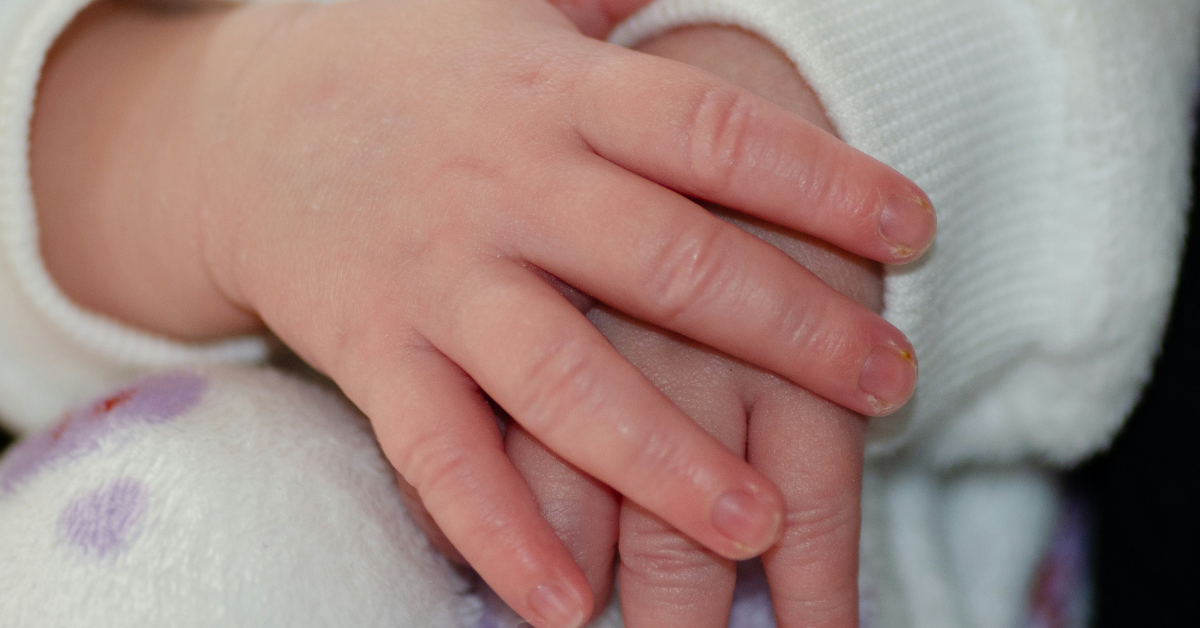
All the first-time parents feel completely clueless, because becoming a new parent can be both exciting and overwhelming – you need to figure out your baby’s cues, schedules, personality and much more!
Although a lot of information is available online – be it feeding, sleep cycles, diaper changes, bathing, burping, sanitising, or medical check-ups, remember your goal is not perfection, but to build a routine that works both for you and your baby.
Parental instincts help you bond with your baby – but some things can only be learned through experience. But you do not need to worry, here are some non-negotiable, expert-approved baby care rituals to help new parents.
How to Maintain Proper Hygiene
Every day, germs can affect newborns more easily as they have a developing immune system. This makes hygiene one of the most critical aspects of baby care:
Cleaning Baby Essentials
Adults handle the baby essentials to fulfill their needs. However, they often forget if they do not take the right measures, they pass on the germs to the items that will be later in contact with the babies.
Studies show that this improper handling can increase the risk of gastrointestinal infections in infants by up to 70%. Therefore, items like bottles, pacifiers, toys, should be sterilized regularly.
Hand Hygiene
Washing your hands can reduce the risk of infections by up to 40% – WHO.
Therefore always wash your hands with soap and water before handling the baby. It should be a non-negotiable before feeding, touching, handling the baby, changing diapers, preparing bottles, handling pacifiers. Especially after coming from outside or using the restroom.
Surface Cleanliness
Weak immune system of newborn makes them more vulnerable to germs and infections.
So clean all the surfaces they come in contact with on a daily basis.
If required use a surface disinfectant spray. But make sure changing tables, cribs, countertops, play mats, feeding chairs, kitchen counters, and door handles remain clean and germ free.
Personal & Skin Care
Baby’s sensitive skin is more vulnerable to germs and infections and needs more care and attention:
Diaper Routine
Wet diapers can lead to rashes. Therefore, a newborn’s diaper should be changed 8-12 times daily. Further during every change, allow the skin to dry naturally after cleaning the area with warm water. Don’t forget to use creams if necessary. Also, give the baby a few diaper-free minutes when possible.
Bathing Tips
Your newborns don’t need daily baths. Generally 2–3 baths per week is enough as over-bathing can dry out their sensitive skin. However clean their face, neck folds, hands, and diaper area daily.
A simple routine that does not overwhelm your baby will do the drill -lukewarm water, a soft towel, and mild, fragrance-free baby products are all you need.
Nail and Hair Care
Trim nails daily when your baby is asleep to prevent accidental scratches. You can use a rounded infant clipper to do so. However if you do not want to do that daily, simply soft-file the rough edges.
The hair care of newborns is very simple – use a gentle shampoo and a soft-bristled brush, or simply wash the scalp with warm water twice a week.
Feeding Routine
A baby’s growth and development significantly depend on food. A mother’s feed supports growth, comfort and emotional development.
Natural Feeding
Breastfeeding is really good for the baby. It gives the baby the nutrients and antibodies that the baby needs. Doctors and nurses say that breastfeeding should start within one hour of the baby being born. The baby will need to be fed times a day at least eight to twelve times or every two to three hours. Breastfeeding is very important, for the baby
Formula Feeding
When you are using formula to feed your baby you need to follow the instructions carefully. Mix the formula with water that’s safe to drink. The amount of powder you add is also important. If you add much or too little powder it can be bad for your babys health and hydration. Formula feeding requires the balance of water and powder to provide good nutrition.
Feeding Monitoring
Monitoring feeding patterns helps parents to track baby’s nutrition. For breastfeeding mothers, it includes comfortable sitting and latch checking. Those on formula, track time, duration, and concentration to make planned pediatric visits. Also remember to burp the baby and check the diaper after every feed.
Home Environment
The survival and neurocognitive development of a newborn significantly depend on a safe, calm, and stimulating home environment. It provides the physical and emotional foundation for their rapidly developing body and brain.
Air Quality
Reportedly, poor air quality can increase respiratory issues in babies by up to 30%. Proper ventilation, avoiding exposure to smoke or strong chemical and maintaining a room temperature of around 20°C to 22°C to avoid overheating and overcooling are a few steps that can be helpful.
Emotional Care
Babies develop stronger language skills when exposed to more verbal interaction more frequently. So, keep your baby engaged even if they haven’t started talking yet. Talk with them, sing, and make eye contact from time to time to support emotional development. However, remember to avoid screens altogether for their emotional development.
Takeaway
Looking after a newborn can be exhausting, especially for the new parents. Keeping them clean, making sure they eat, get rest and sleep well can take up a lot of time. But if you follow some simple tips it can be easier. Make sure to use a non -alcoholic spray to clean surfaces and gentle products for your baby. If you’re ever unsure about something don’t just guess. Talk to an expert, instead of going off in some random direction.